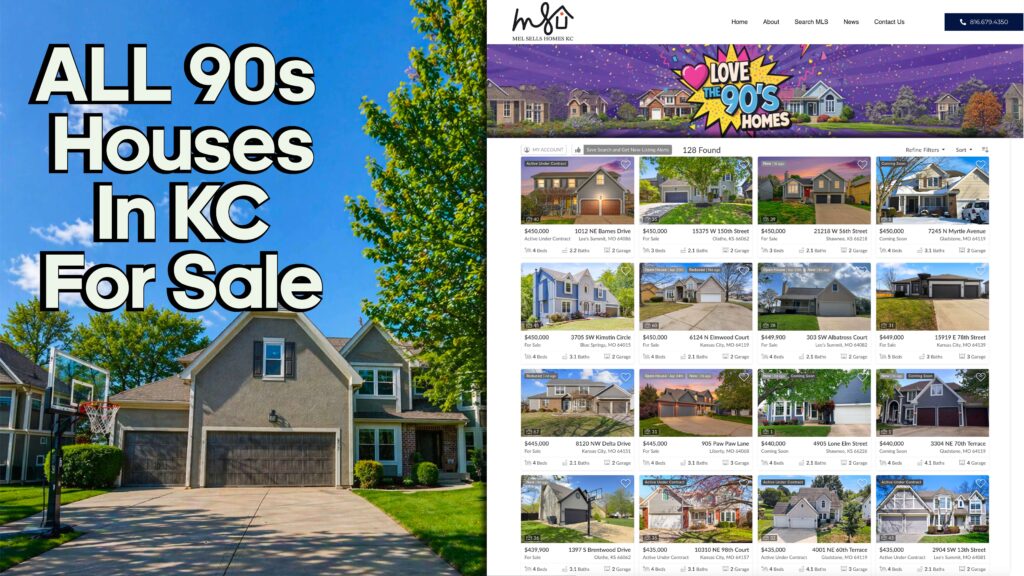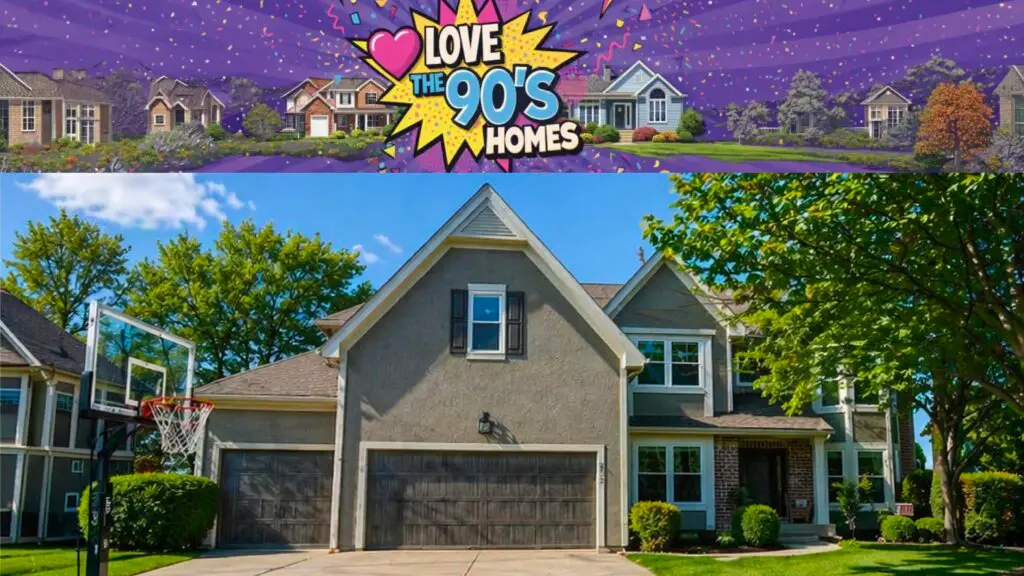
Why 1990s Homes in Kansas City Might Be the Smartest Buy Right Now
In the 1990s, the Kansas City metropolitan area experienced a major wave of suburban growth. Communities expanded rapidly across areas like Lee’s Summit, Liberty, the Northland, Shawnee, Lenexa, and Overland Park—creating neighborhoods that are still some of the most desirable places to live today.
Now, decades later, many of those same homes are coming back to market—and they’re offering something today’s buyers are struggling to find: real value.
More Square Footage for Your Money
Homes built in the 1990s were designed with space in mind. Larger lots, bigger floor plans, and features like three-car garages were common. Compared to newer construction or fully renovated homes, these properties often provide more square footage at a lower price per foot, making them especially appealing for buyers who prioritize space and layout.
Established Neighborhoods That Still Lead the Market
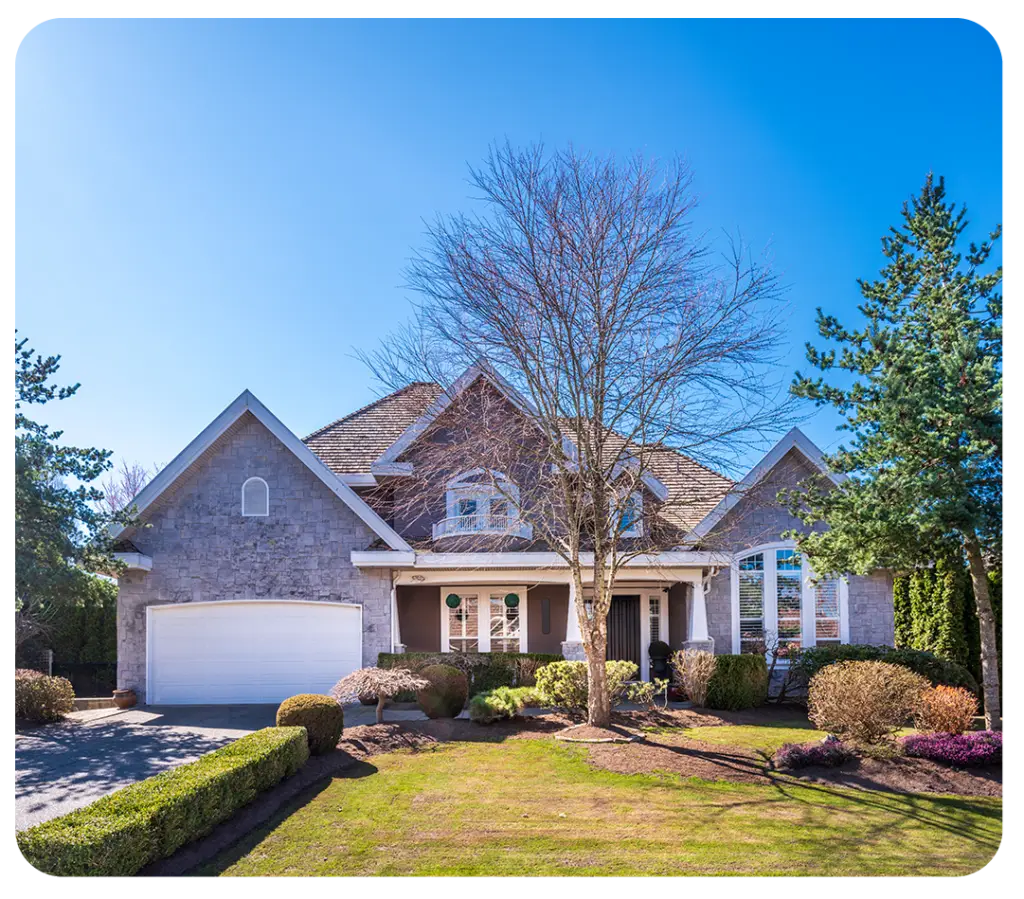
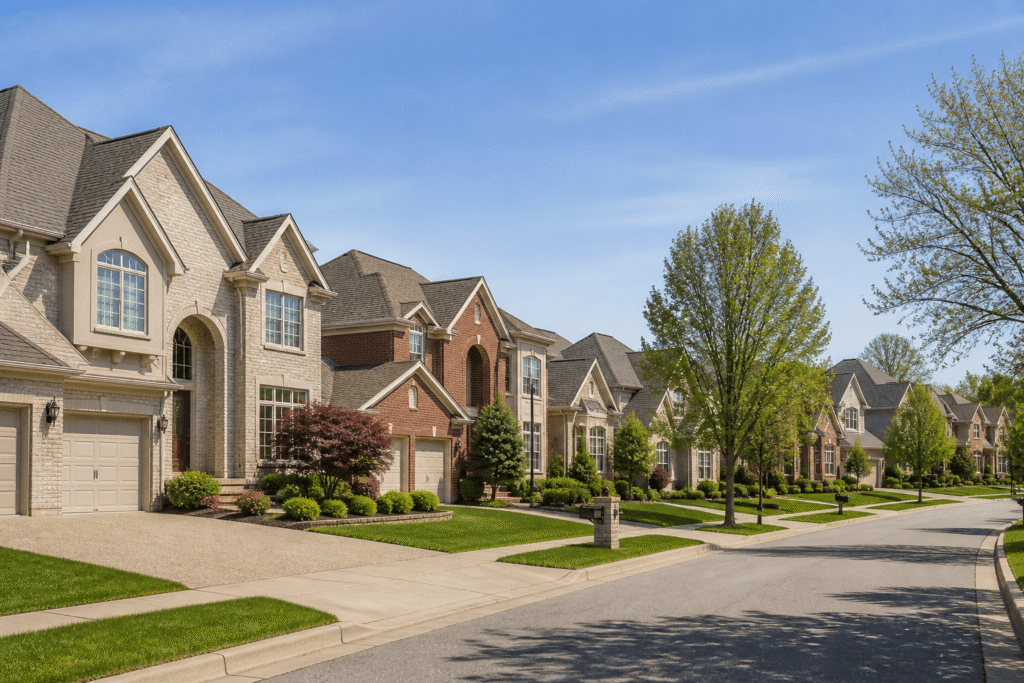
These homes are located in well-established communities with mature trees, developed infrastructure, and strong resale history. Many sit within highly sought-after school districts, including areas served by Blue Valley School District, Olathe Public Schools, and Lee’s Summit R-7 School District.
For buyers, that means not just a home—but a long-term investment in location.
Built-In Opportunity for Instant Equity
While these homes are structurally sound and well-built, many still feature original finishes from the 90s. For the right buyer, that’s where the opportunity lies.
Simple updates like:
- Kitchen refreshes
- Flooring upgrades
- Bathroom renovations
- Paint and lighting improvements
can quickly transform the space—and in many cases, create instant equity.
Instead of paying a premium for someone else’s renovation, buyers have the chance to customize a home to their taste while increasing its value.

A Smart Play in Today’s Market
With inventory still tight in many Kansas City neighborhoods, these homes offer a unique advantage. They combine location, space, and price in a way that’s becoming harder to find—especially in areas where newer homes come at a premium.
For buyers willing to see the potential, 1990s homes represent one of the most strategic opportunities in today’s market.